

Diamond Grading
Understanding the 4Cs of Diamond Quality: Cut, Color, Clarity & Carat
Explore the universal standard established for evaluating diamond quality. Learn how each 'C' influences beauty, optical performance, and value.
Global Diamond Laboratory
ISO & International Gemological Accreditation • Mon – Fri: 10:00 – 19:00
Keep your heirloom jewellery sparkling for generations. Expert tips on safe at-home cleaning, ultrasonic cleaner hazards, and storage best practices.
Elena Rostova
Master Jeweller & Conservation Consultant

Polishing a solitaire diamond ring with a soft microfiber cloth and fine cleanser
Diamonds and precious gemstones endure daily contact with cosmetics, skin oils, lotions, hand soaps, and dust. Because diamonds are naturally lipophilic (oil-attracting), a thin microscopic film accumulates on pavilion facets within days of regular wear, dulling their refractive performance.
For diamonds, sapphires, rubies, and solid gold or platinum jewellery, the safest and most effective cleaning routine requires simple household materials:
Certain gemstones must never be submerged in hot water or placed in ultrasonic machines:
Emeralds are porous and often oil-treated; ultrasonic vibrations strip natural oils, making internal fractures starkly visible. Pearls, opals, and tanzanite have low hardness or moisture sensitivity and should only be wiped clean with a damp, soft cloth.
“Always put on jewellery LAST after perfume, hairspray, and lotion have completely dried on your skin.”
Master Jeweller & Conservation Consultant
Dedicated to unbiased gemological examination, spectroscopic research, and consumer education at GGDL Laboratory.
Explore the universal standard established for evaluating diamond quality. Learn how each 'C' influences beauty, optical performance, and value.
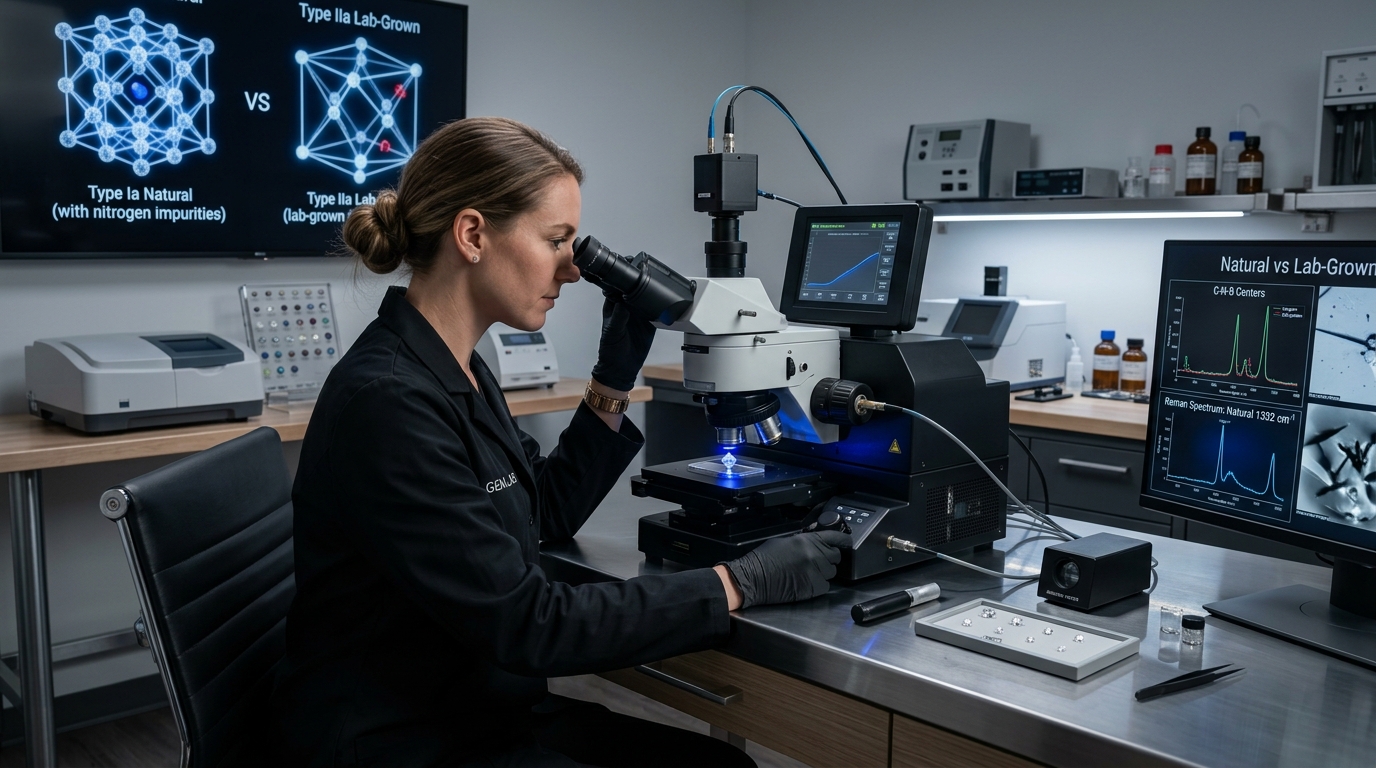
Understand the chemical identity, crystal growth patterns (HPHT vs. CVD), and spectroscopic methods used by gemologists to distinguish natural and created stones.

A comprehensive guide to identifying the Big Three precious gemstones, recognizing common heat and clarity treatments, and understanding geographic origin determinations.